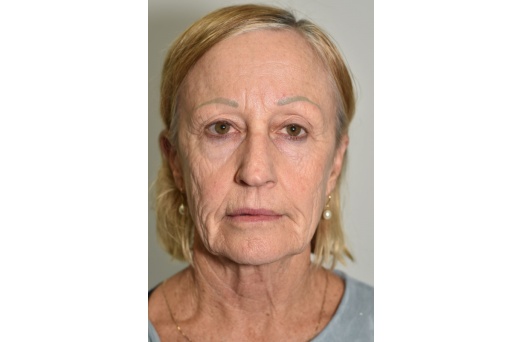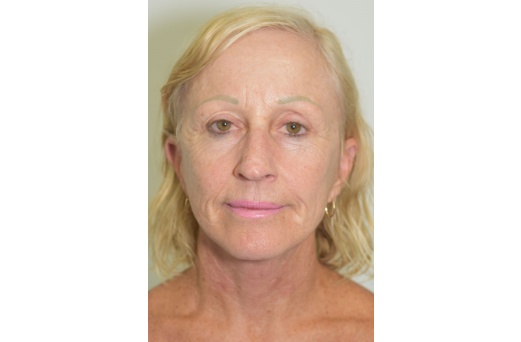


🎯 The Core Difference: Repositioning vs. Pulling
Traditional facelift = “subtraction.”
The surgeon removes extra skin and pulls the remaining skin tight. It can look tighter at first — but because the skin is under tension, it may look pulled, stiff, or “done,” and the result may not last as long.
9L Facelift = “repositioning.”
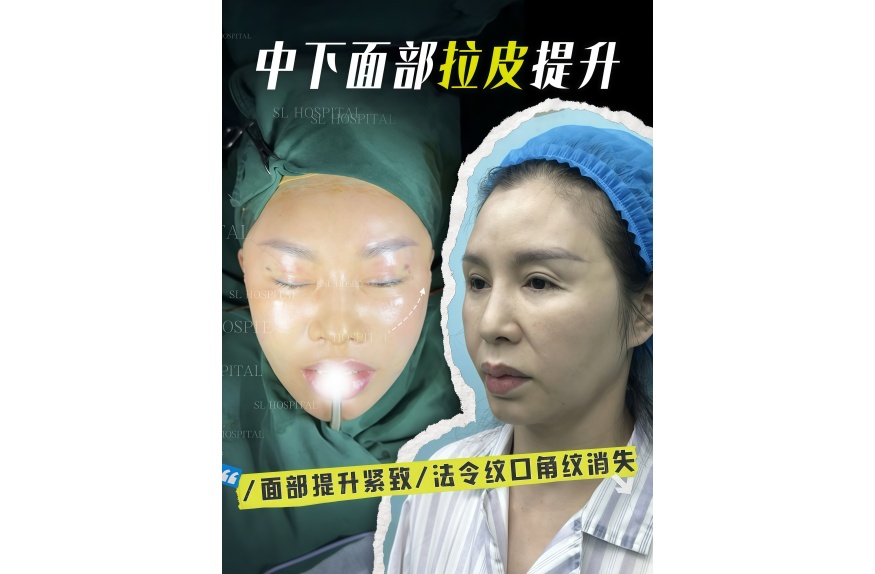
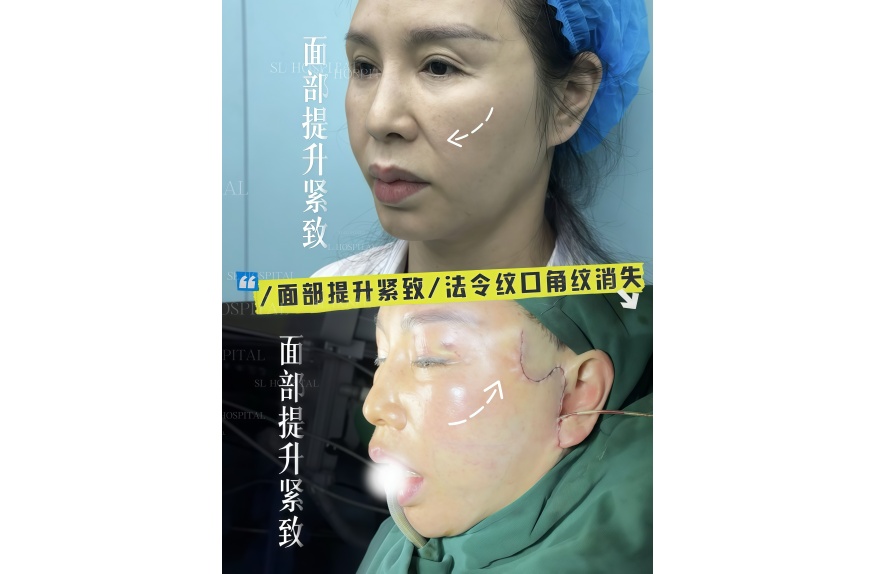
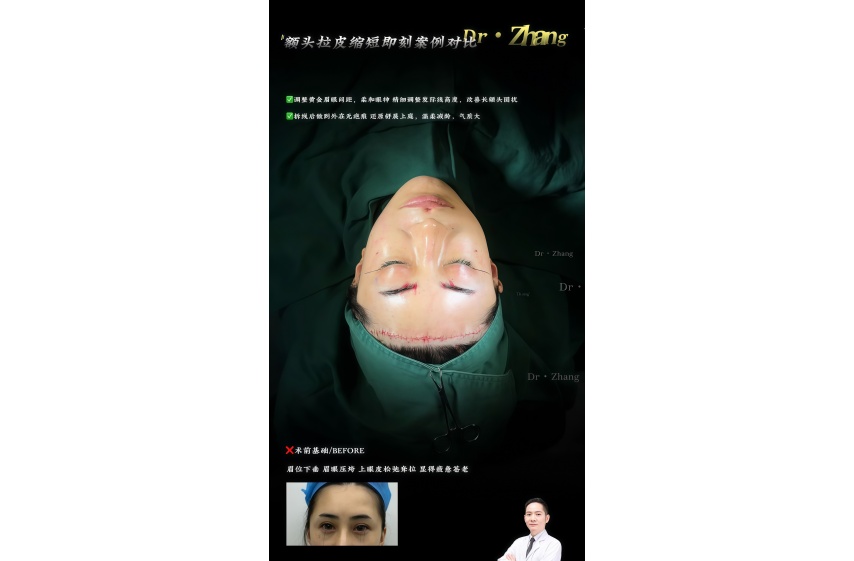
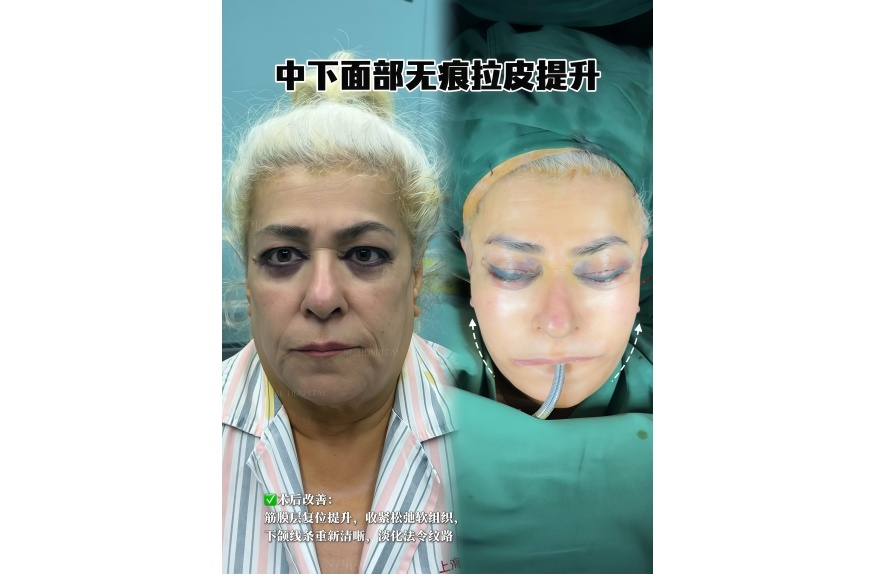
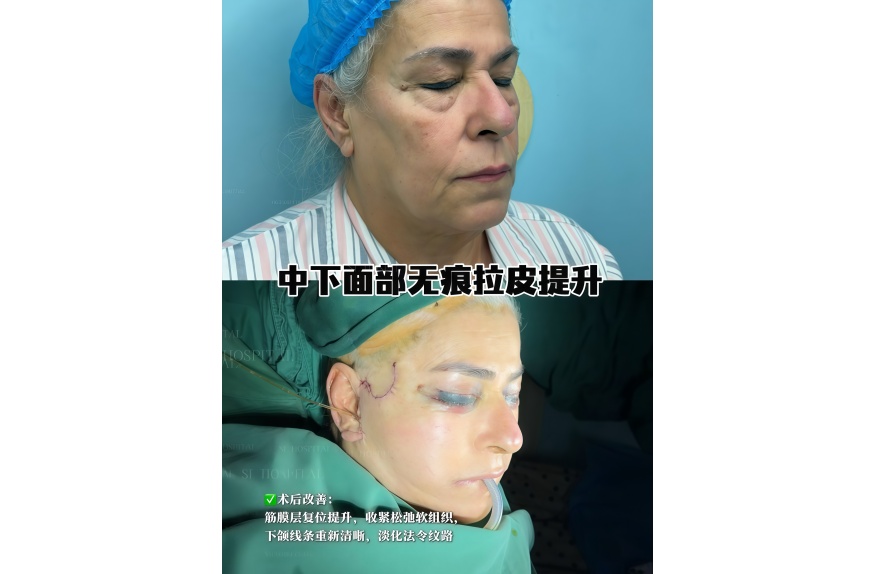
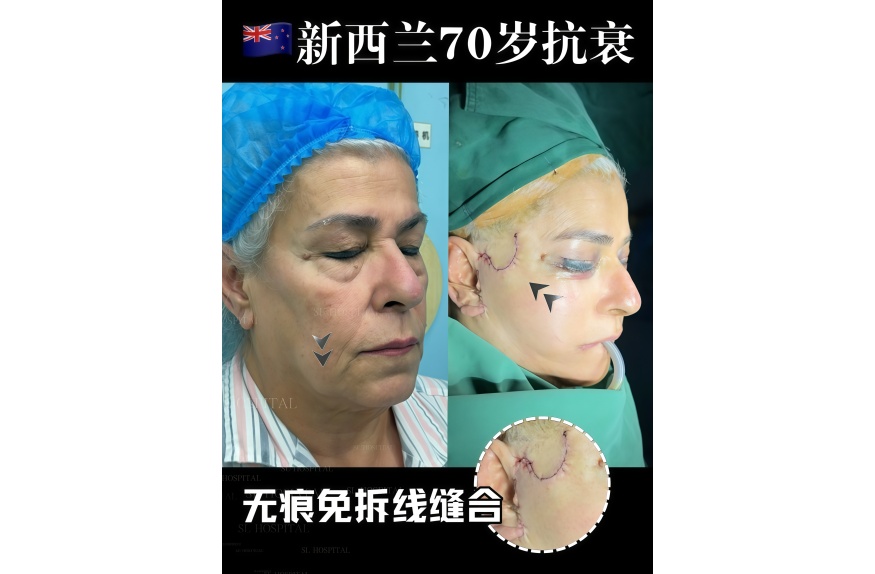
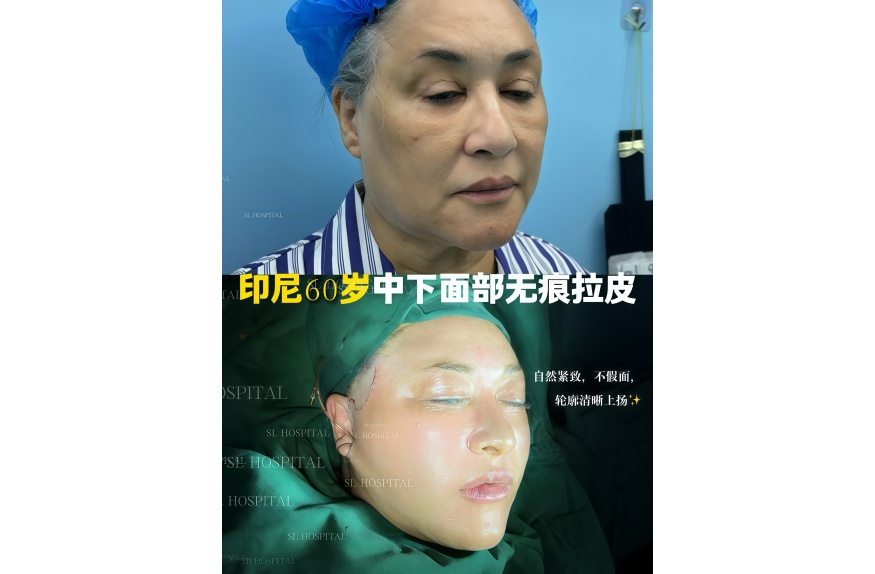
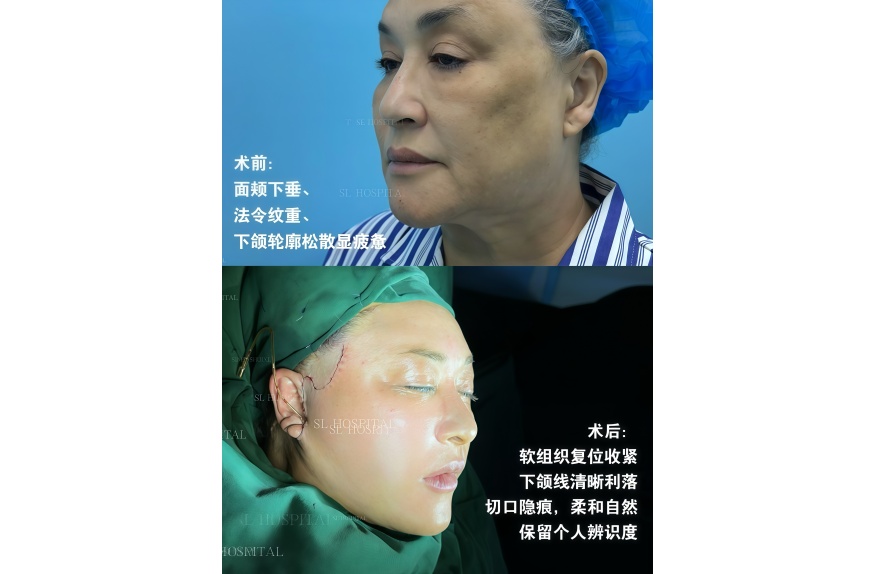
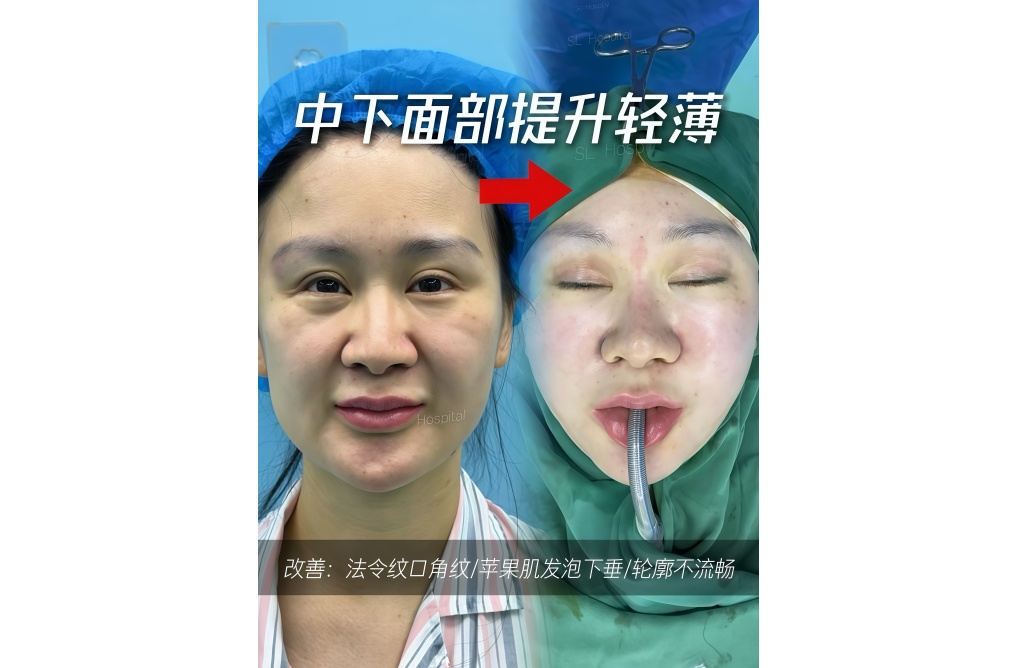
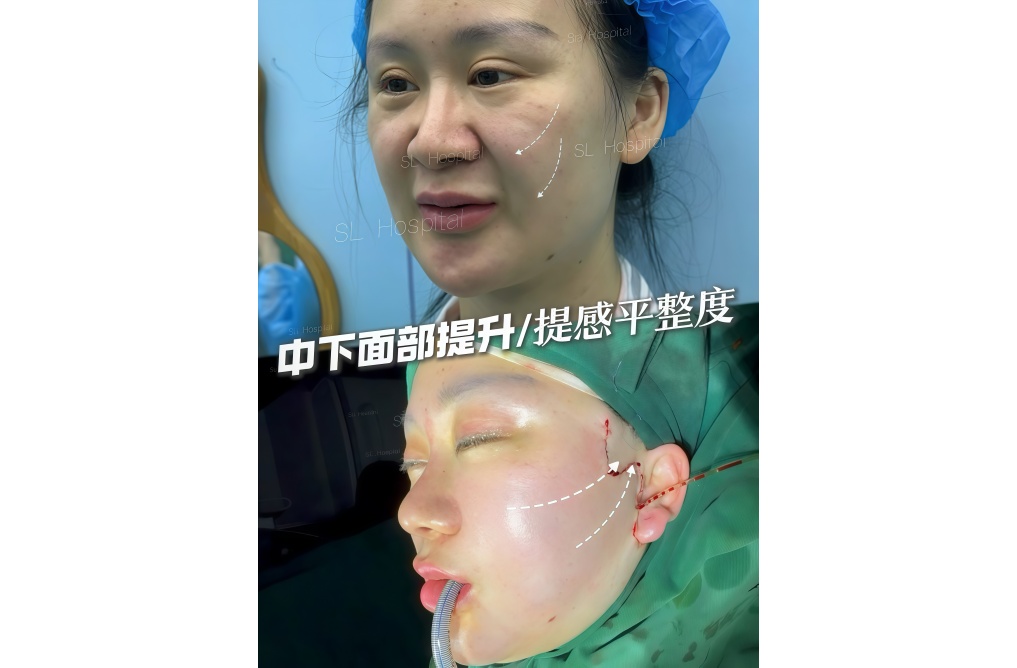
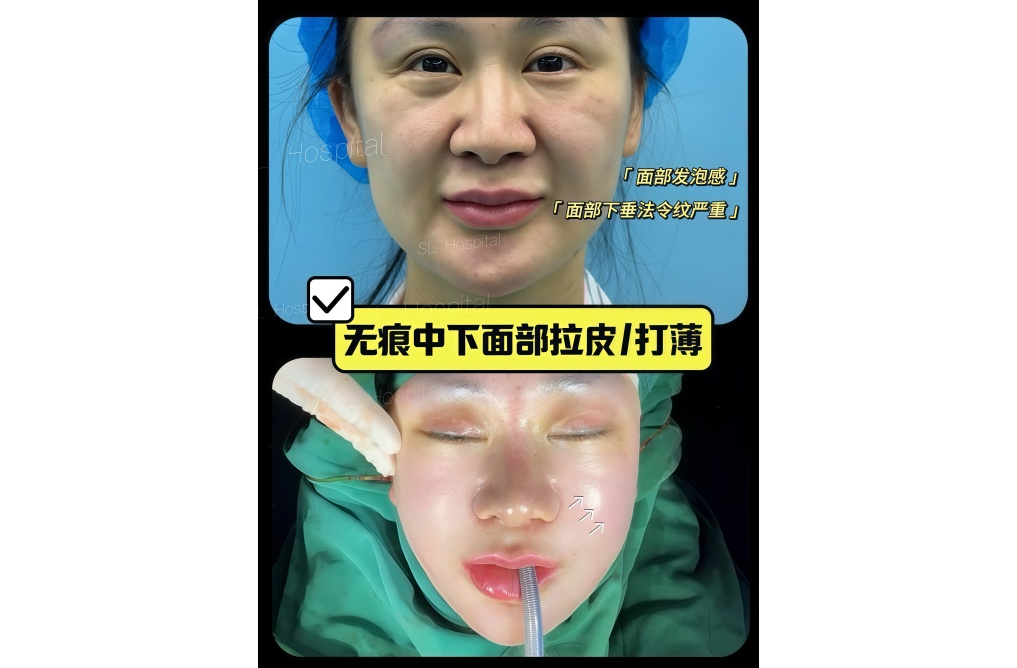
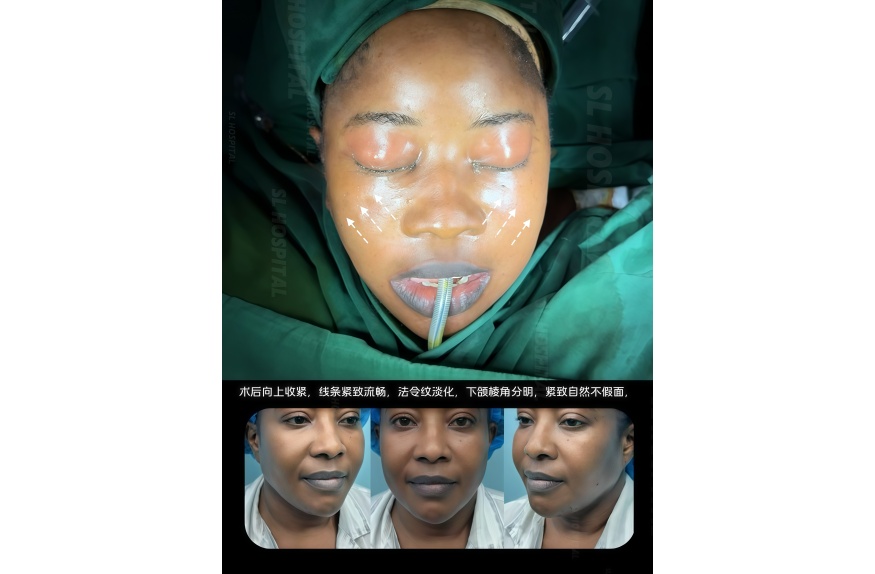
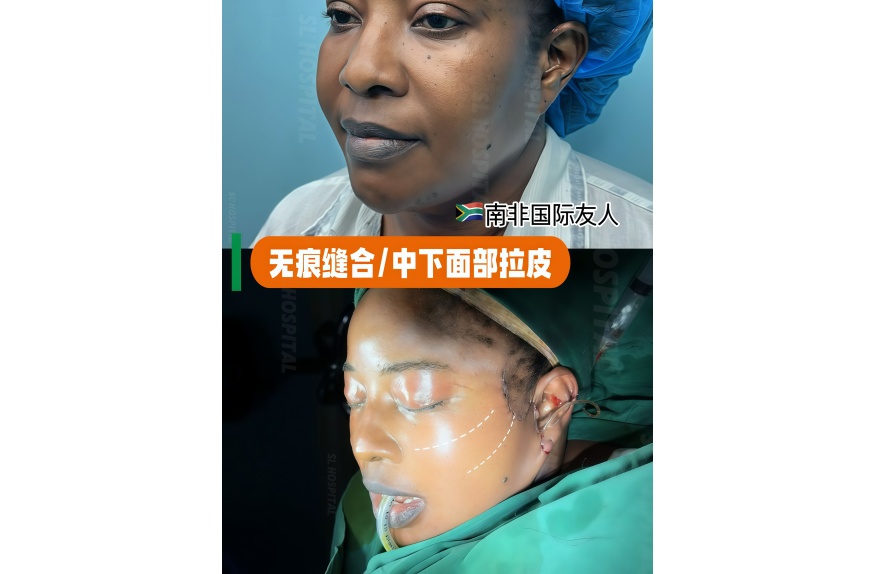
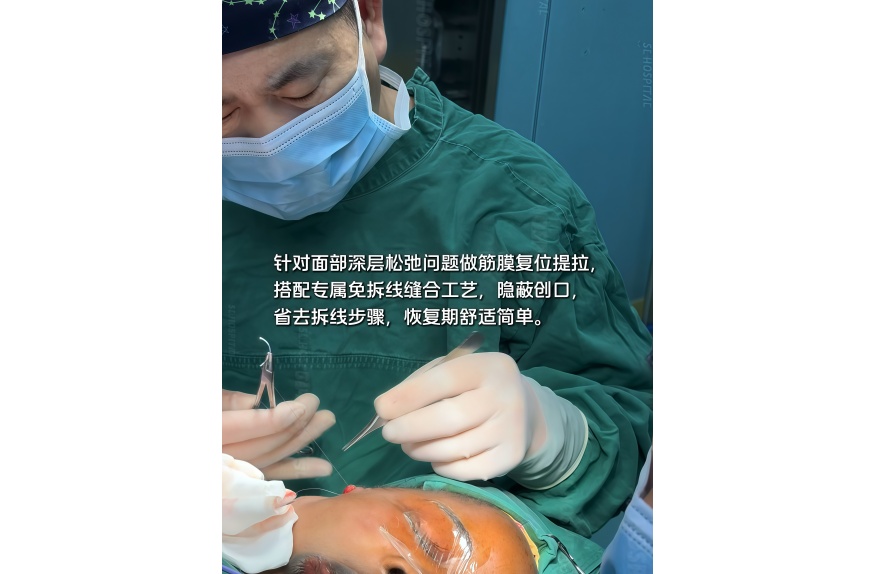
Instead of pulling skin, we lift the deep structures — the fascia, fat pads, and muscle — and put them back into their youthful position. The skin is then gently redraped over this restored foundation. No excessive tension. No pulled look.
A simple analogy:
A traditional facelift is like pulling a wrinkled bedsheet tight from the corners. A 9L Facelift is like putting the mattress back in the right place first — then the sheet lies smooth and natural.
🔬 What We Treat
Traditional: mainly skin and superficial tissue.
9L: deep layers — fascia, fat pads, muscle — the actual support structure of your face.
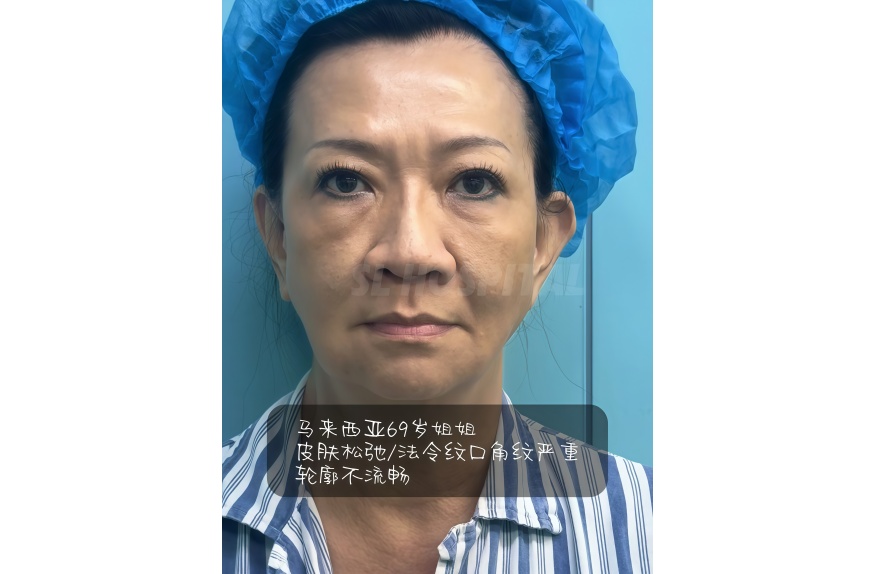
That’s why 9L can address sagging at the root, not just the surface.
✨ Natural Look & Longevity
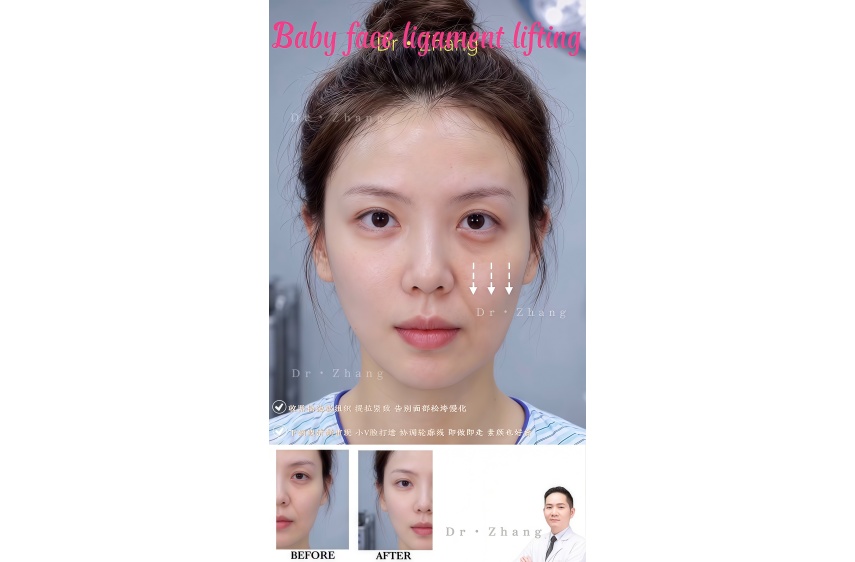
Because 9L doesn’t rely on skin tension, your expressions stay natural. You still look like you — just refreshed, lifted, and younger-looking.
And because we correct the deep structural shift, the result is designed to hold longer — typically 15–25 years with proper care. Individual results vary.
📅 Recovery & Scars
Traditional facelifts can involve more tension on the skin, which may mean a longer, more visible recovery.
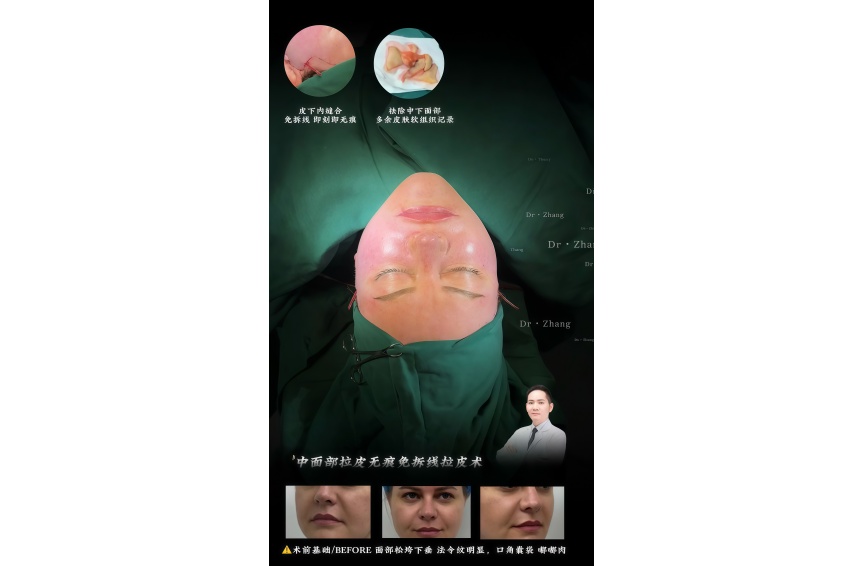
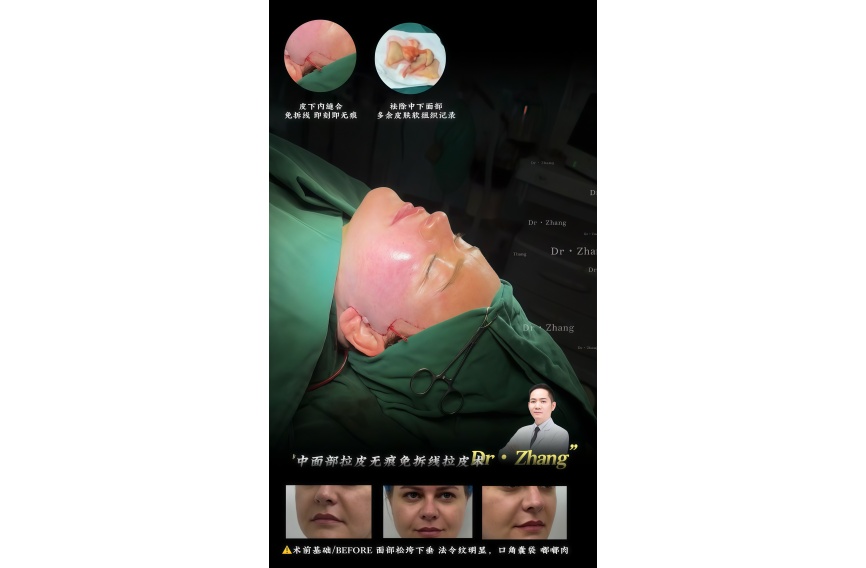
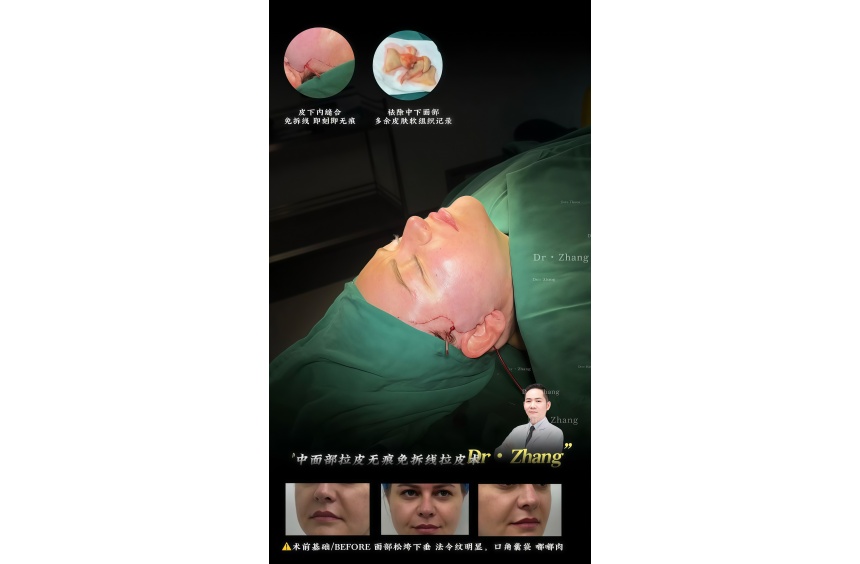
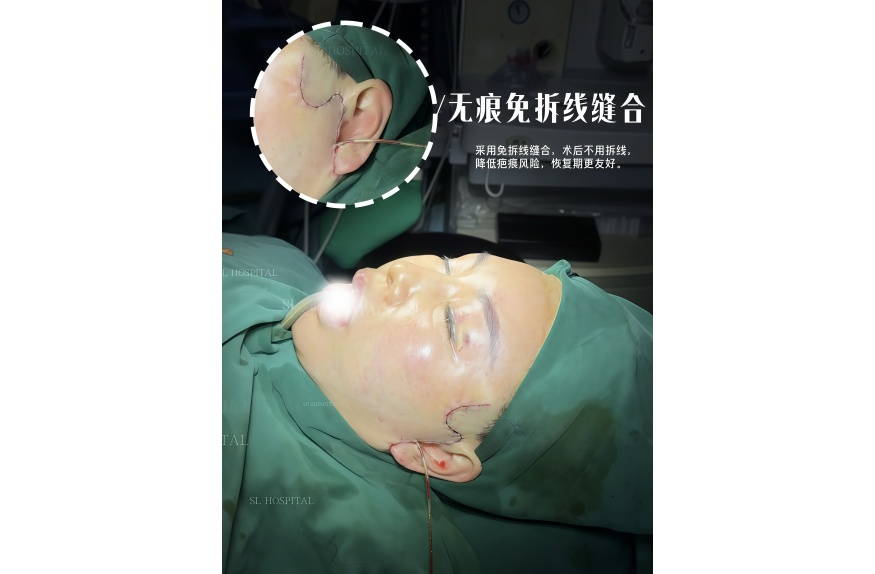
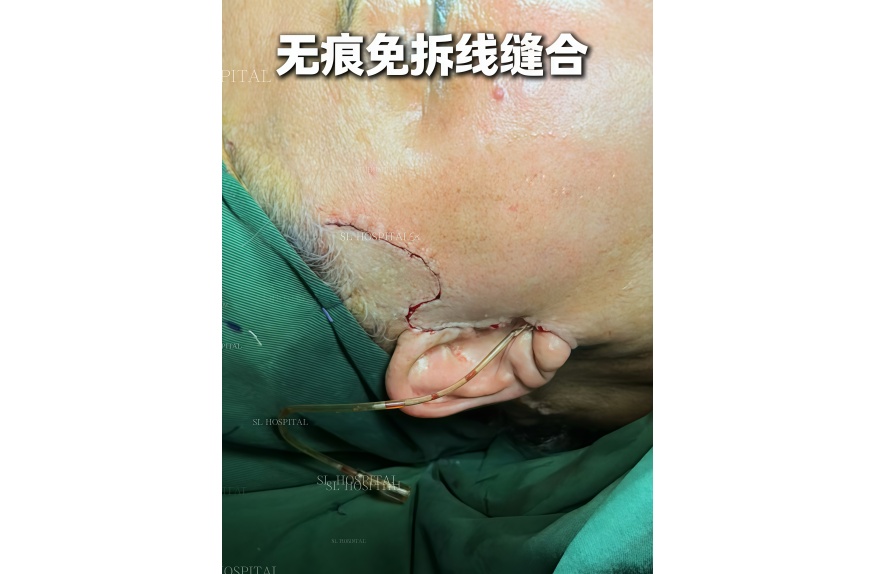
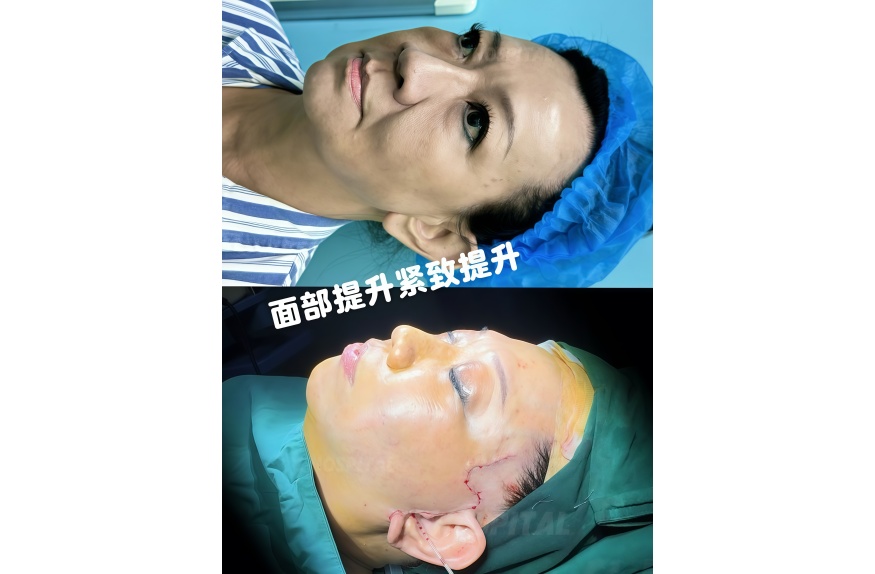
9L is precise and layer-by-layer, with incisions hidden along the hairline and around the ear. Many patients are socially presentable within 2–4 weeks, though healing varies by individual.
💎 In One Sentence
A traditional facelift tightens the surface. The 9L Facelift restores the structure — so you look naturally younger, not “worked on.”